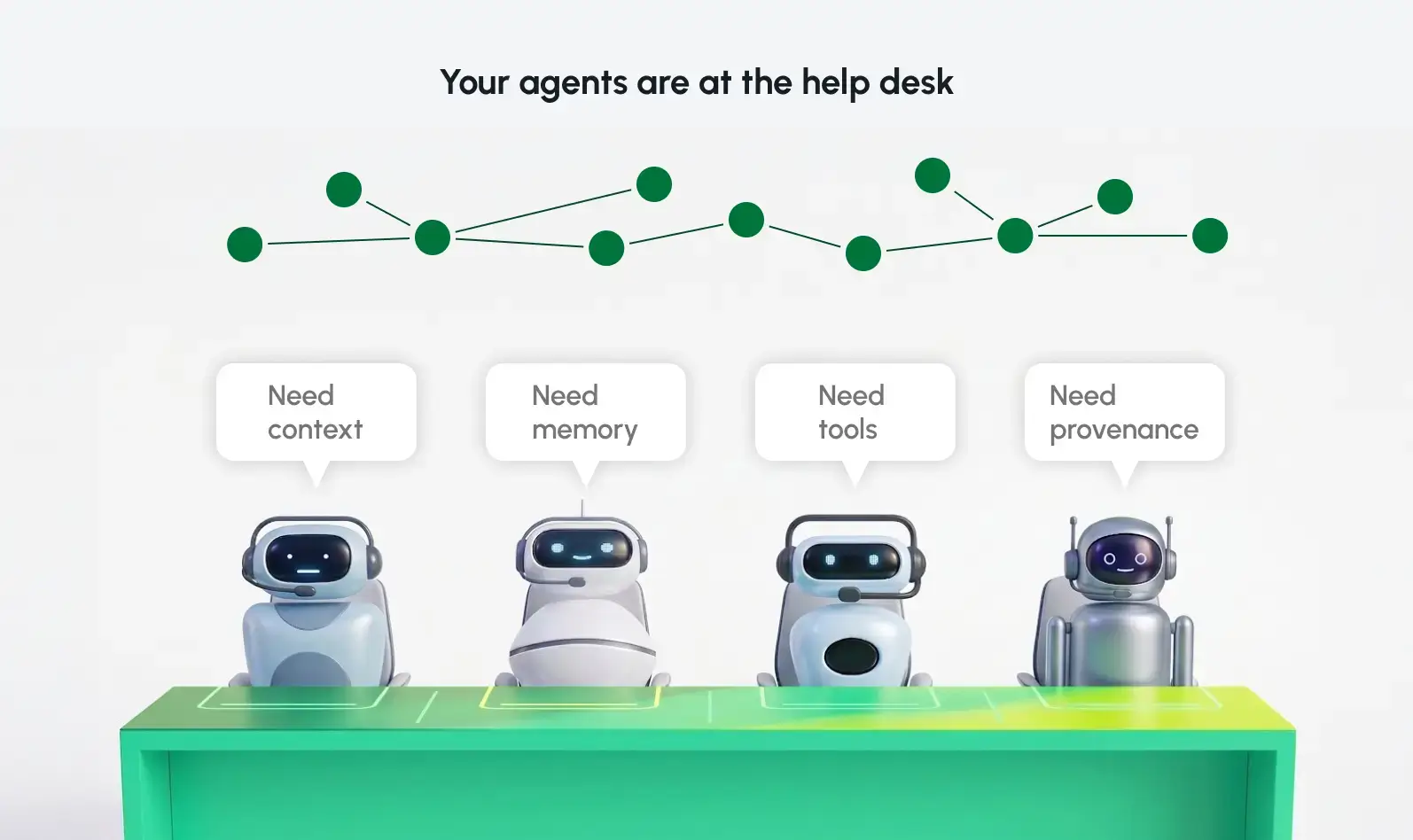
Your agents are not asking for Arango by name.
Not yet.
But listen to what they keep asking for.
They ask for the right document. They ask for the relationship between two facts. They ask for memory that survives the next prompt. They ask for tools. They ask for a way to choose among those tools. They ask for provenance. They ask for structured data and unstructured meaning in the same workflow. They ask, politely at first, for a context layer.
Then they start hallucinating.
The first generation of enterprise copilots was mostly chat over documents. Useful, but limited. The next generation is agentic. Agents do not just answer. They plan, call tools, retrieve evidence, update state, and trigger workflows.
That changes the infrastructure requirement.
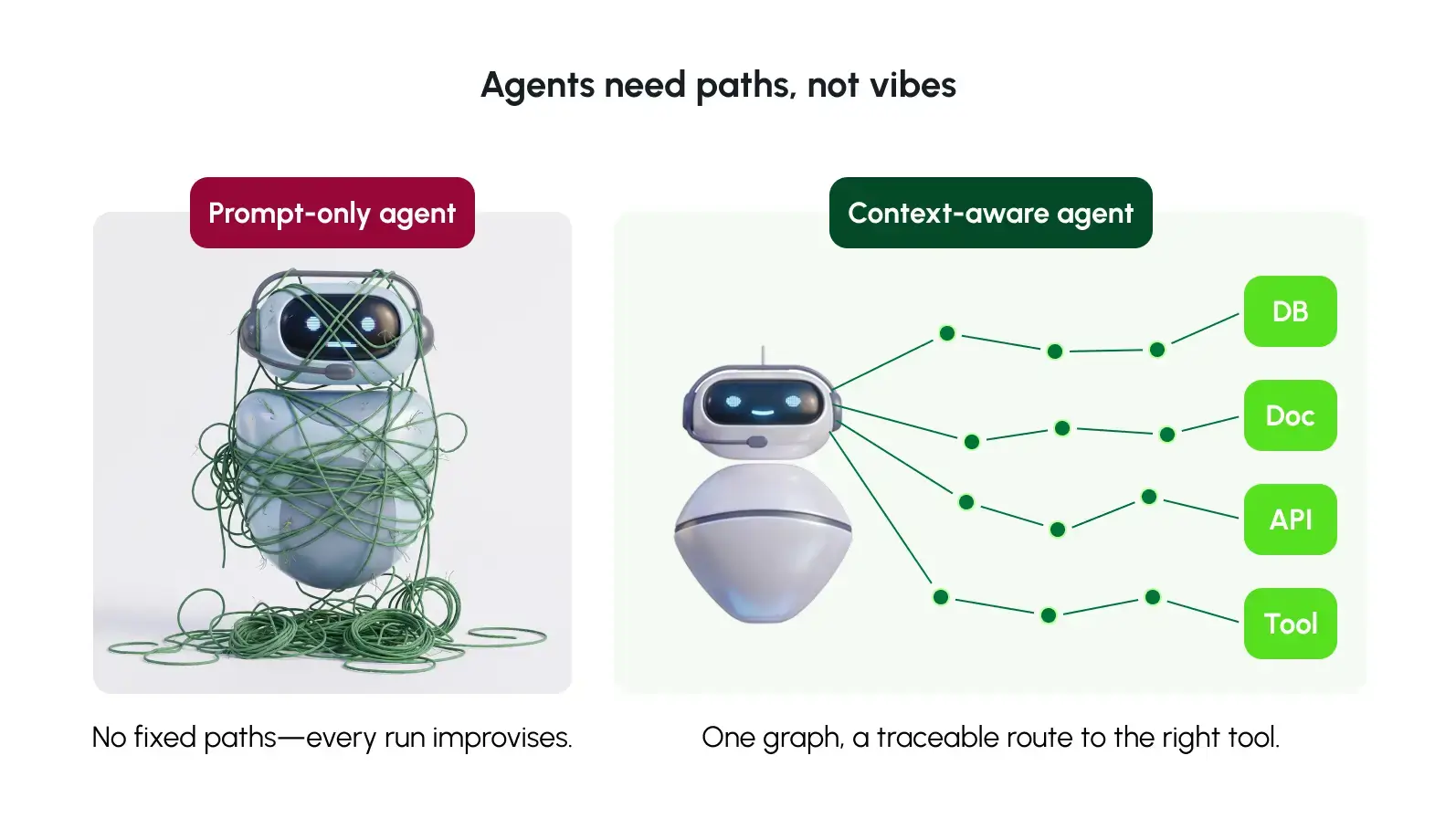
A chatbot can sometimes survive with a vector index and a prompt template. An agent cannot. The more agency you give it, the more it needs grounding. It needs to know which facts are connected, which source is authoritative, which tool is appropriate, which memory is relevant, and which answer can be trusted.
Without that, “agentic” becomes a fancy word for “automated confusion.”
Arango’s AI Services are interesting here because they do not treat agent context as a separate afterthought. The platform story begins earlier.
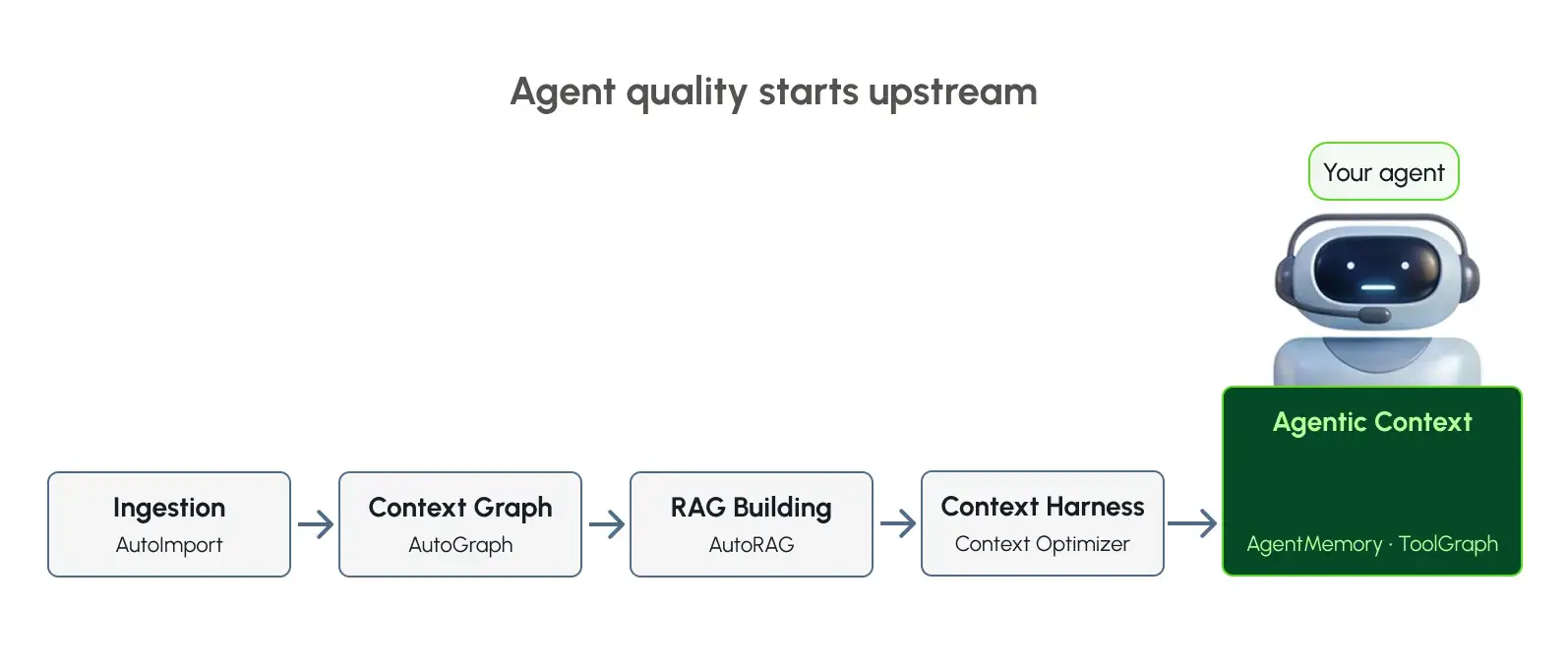
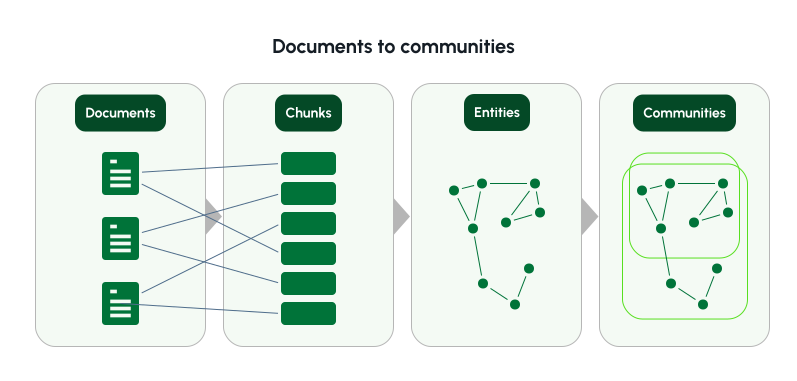
AutoImport brings in files, databases, and other enterprise sources while preserving provenance and freshness. Arango AutoGraph organizes that data into a context graph. AutoGraph’s RAG Strategizer turns parts of that graph into retrieval systems suitable for different domains. The Context Optimizer evaluates and improves graph quality and retrieval quality. AutoTool* can create tools for agentic use cases. Then the Agentic Context Layer serves context to agents through AutoRAG, agentic components, custom retrievers, and SDK access.
In other words, the agent gets a nervous system.
This matters because the hardest agent problems are not always model problems.
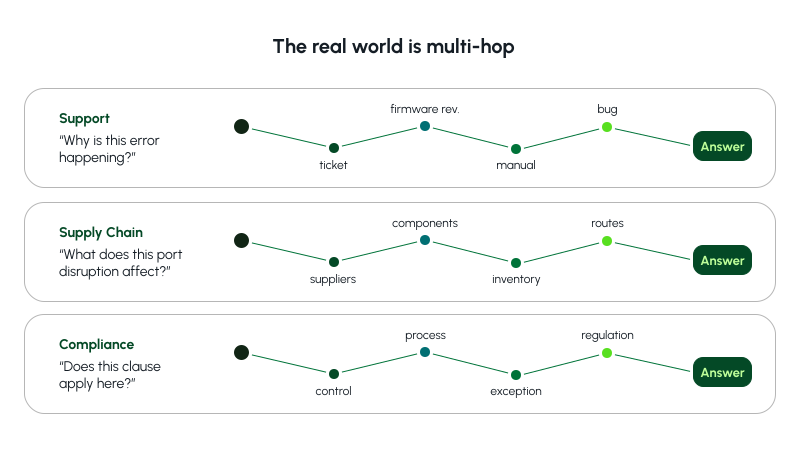
Take a support agent. The model can write a polished response. But does it know that this error appears in three customer tickets, one firmware revision, two product manuals, and a resolved bug? Does it know which document is public and which is private? Does it know whether the answer should be fast and cheap for a public support page or deep and careful for an internal escalation?
Take a supply-chain agent. It can summarize a news article about port disruption. But can it connect that scenario to suppliers, components, inventory risk, customers, alternative routes, and contract obligations?
Take a compliance agent. It can quote a clause. But can it connect the clause to an internal control, a business process, a policy exception, and a regional regulation?
These are graph-shaped questions.
This is why “memory” alone is not enough.
Memory remembers. Context understands how remembered things relate.
An agent memory can store past interactions, preferences, or state. That is valuable. But enterprise work also needs relationships: this product is part of that system; this defect affects that version; this customer belongs to that segment; this regulatory requirement applies to that workflow.
When those relationships live in a graph, the agent can retrieve not just similar text, but connected evidence. It can move from a chunk to an entity, from an entity to related entities, from those relationships to communities, and from communities back to source documents.
That creates the conditions for better reasoning.
Tool use has the same problem.
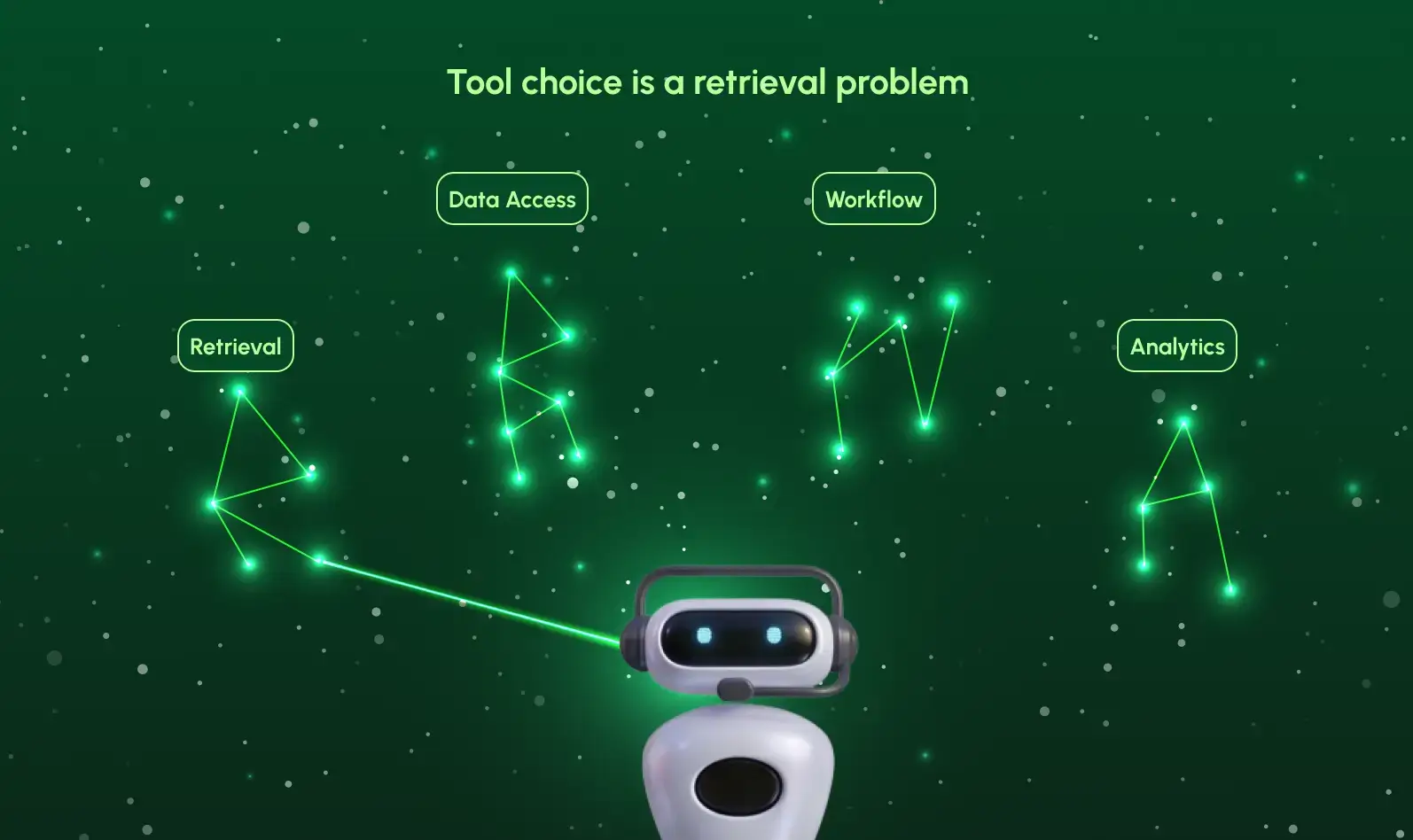
An enterprise agent may have dozens or hundreds of tools: AQL queries, database access, workflow triggers, analytics calls, retrieval tools, visualization tools, support tools. More tools do not automatically make the agent better. Too many tools can make it worse.
The question becomes: which tool should this agent use, for this task, with this context?
That is why a ToolGraph matters as a concept. Tools themselves can be clustered and made discoverable, so an agent can find the right capability instead of brute-forcing through a toolbox. AutoTool* strengthens the loop by generating tools from the context graph and retrieval needs.
Agents should not merely have tools.
They should have tool context.
The best way to think about Arango in the agent era is not as a database an agent queries occasionally. It is the context system underneath the agent.
It holds the graph. It holds the documents. It supports retrieval. It exposes tools. It supports natural-language access. It helps evaluate and optimize context. It gives both humans and agents a way to interact with enterprise knowledge.
This reframes the agent conversation.
The question is no longer: “Which model should our agent use?”
It is: “What context can our agent trust?”
Because the agent does not just need to speak. It needs to know.
Your agents are asking for grounding. They are asking for memory. They are asking for tools. They are asking for retrieval that sees relationships. They are asking for context that can be evaluated, optimized, and served.
They are asking for the thing between your enterprise data and their next action.
They are asking for Arango.
*AutoTool is available in private beta.
AI Agent & Application Context Accelerator Workshop
Request a complimentary session for your team.